
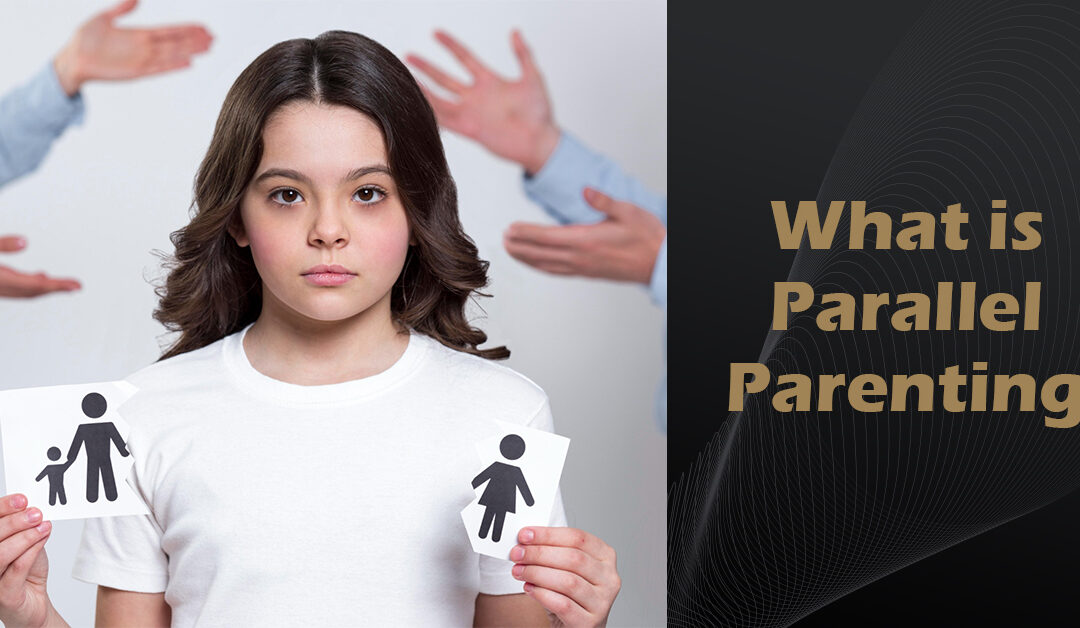
Divorce or separation cases can be overwhelming, but every parent wants the best for their children. Even if it can be hard for parents to get along after a divorce, they will need to co-parent their children. Parallel parenting allows both parents to be involved in the child’s life, even if they do not want to be involved with each other.
What Is Parallel Parenting?
When you divorce or separate from your spouse, you can either co-parent or parallel parent your children. In a co-parenting arrangement, you share parenting responsibilities with your ex as both of you work together to raise your children. You discuss issues related to your children and agree on a solution together, attend school events together, and maintain continuous communication with your ex.
In parallel parenting, however, each parent has specific responsibilities. You carry out the day-to-day activities without involving the other parent, and all actions depend on your parenting plan. This type of parenting can be a temporary strategy or even a long-term solution when the parents cannot get along. You can use the approach until you and your ex can work together more directly.
Simplified Parallel Parenting Definition
Parallel parenting is a type of shared parenting where the parents maintain their relationship with their children while interacting with each other as little as possible. This approach can be particularly useful when you and your ex are having trouble with a civil relationship. Since everything is outlined in the parenting plan, each parent carries out their responsibilities as expected.
With parallel parenting, each parent has their own parenting approach whenever they have the children with them. They do not attend the same appointments, functions, or child-related events. Instead, their communication is parallel, which means it occurs solely through text messages, email, or a co-parenting app.
In most cases, however, the parents agree on the major decisions about their children. This may include issues related to school, religion, and extracurricular activities. They then leave the logistics up to the person exercising their parenting time. You may also assign a particular area or decision to each parent to reduce the time you spend with your ex. In turn, parallel parenting offers the following benefits:
- Better family relationships
- Less conflict between homes
- Fewer emotional problems
- Fewer behavior problems
- Better school performance
- Higher self-esteem
- More predictability when communicating about parenting matters
Parallel Parenting Plan
Parallel parenting is made successful by having a plan in place. When creating a parenting plan, both parents must be as specific and detailed as possible. By being detailed, you ensure that communication and contact between the parents is minimized. The following are some of the most important issues to include in a parallel parenting plan:
- The start and end of each person’s parenting time
- Specific days of visits
- Responsibility for transportation
- A specific exchange time and place
- What happens in the event of cancellation or make-up times
- When each parent has decision-making power
Since parallel parenting aims to reduce contact as much as possible, the plan lays out when and where the children will be at all times. Many parents usually use a communication book to stay in touch with their children’s lives whenever they are with the other parent. This book travels with the child to every parent’s house, with the child handing it off to the parent who is taking the children. The parent who is taking the child then writes the date and initials it. In the case of babies and toddlers, the parallel parenting book should include:
- Sleeping and feeding times
- Successful soothing methods
- Accidents and injuries
- Potty training updates
- Developmental milestones
- Medical appointments, illnesses, and medicines
For older children, it may include:
- School progress and reports
- Behavior issues
- Social activities with friends
- School, religious, and extracurricular activities
- Bed, bath, and meal routines
Get Legal Guidance on Parallel Parenting
Parallel parenting makes it easier for ex-spouses who do not want contact with each other to still effectively parent their children. A family lawyer can help you with creating a parenting plan and ensuring your arrangement is successful. Get in touch with our attorneys today at Schill Law Group for proper legal guidance on how to approach this issue.
Frequently Asked Questions
Q: What is parallel parenting?
Parallel parenting is a type of shared parenting where each parent keeps their relationship with their children while interacting with each other as little as possible. Each parent handles their own day-to-day parenting time without involving the other. Everything is guided by a detailed parenting plan instead of ongoing communication.
Q: What is the difference between parallel parenting and co-parenting?
Co-parenting means both parents work together, discuss decisions, and often attend events together with regular communication. Parallel parenting means each parent operates independently according to a set plan, with minimal direct contact. Many parents start with parallel parenting and move toward co-parenting once things calm down.
Q: How do parallel parenting parents communicate?
Parents communicate only through indirect channels like text, email, or a co-parenting app rather than phone calls or face-to-face conversations. Major decisions about school, religion, or activities are agreed on in advance. Day-to-day logistics are left entirely to whichever parent has the children at the time.
Q: What should be included in a parallel parenting plan?
A solid plan spells out the start and end of each parent’s time, specific visit days, who handles transportation, and exact exchange times and locations. It should also cover what happens with cancellations or make-up time, and which parent has decision-making power on specific issues.
Q: What are the benefits of parallel parenting?
Parallel parenting can lead to better family relationships and less conflict between households. Children often show fewer emotional and behavior problems, better school performance, and higher self-esteem. It also creates more predictability since everyone knows what to expect from the parenting plan.
Q: Is parallel parenting a permanent solution?
Not necessarily — it can be a temporary strategy or a long-term arrangement, depending on the family. Many parents use parallel parenting while emotions are high after a divorce. Once the relationship improves, some transition into a more direct co-parenting arrangement.
Q: What is a parallel parenting communication book?
A communication book travels with the child between both households so each parent stays informed. For younger kids, it tracks feeding, sleep, soothing methods, and medical updates. For older kids, it covers school progress, behavior, and daily routines.